
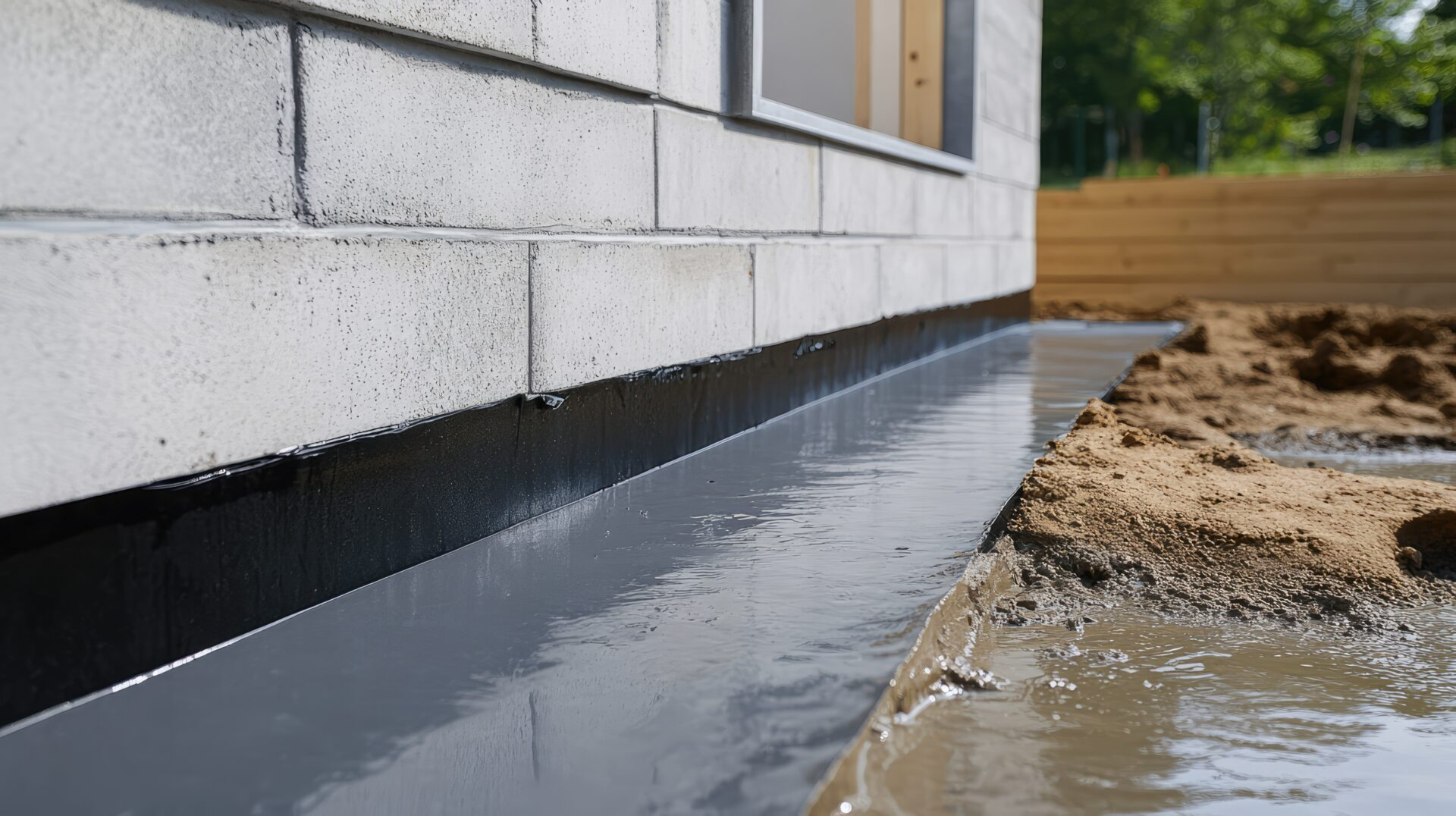
Basement waterproofing is one of the most important home improvement steps for protecting your property from moisture damage, mold growth, foundation issues, and costly structural repairs. Because basements are located below ground level, they are naturally exposed to groundwater pressure, soil moisture, and drainage problems that can create serious issues over time.
A damp or leaking basement is not only an inconvenience but also a warning sign that your home may be vulnerable to long-term damage. Moisture can weaken foundation materials, damage walls and flooring, create unpleasant odors, and reduce the usable space inside your home.
By investing in effective basement waterproofing solutions, homeowners can prevent water intrusion, improve indoor air quality, protect their property value, and create a safer environment for storage, living areas, or workshops.
Why Basement Waterproofing Is Essential for Home Protection
Many homeowners ignore minor basement moisture problems because they appear harmless at first. However, small leaks, damp walls, and increased humidity can become major problems when left untreated.
A properly waterproofed basement helps protect your home by:
- Preventing water leaks and moisture buildup
- Reducing the risk of mold and mildew growth
- Protecting the foundation from water-related damage
- Improving indoor air quality
- Increasing the usable space of your basement
- Maintaining the long-term value of your property
Waterproofing is not only a repair solution but also a preventative investment that helps avoid expensive restoration work in the future.
Common Causes of Basement Moisture Problems
Before choosing a waterproofing method, it is important to identify where the moisture is coming from. Different causes require different solutions, and treating only the visible signs may not solve the actual problem.
Common causes of basement moisture include:
Poor Exterior Drainage
When rainwater collects around the foundation, it creates pressure against basement walls. Over time, this pressure can force water through cracks and weak areas.
Problems often occur because of:
- Incorrect grading around the home
- Damaged gutters
- Blocked downspouts
- Poor drainage systems
Foundation Cracks and Structural Openings
Even small cracks in basement walls or floors can allow groundwater to enter. These cracks may expand due to temperature changes, soil movement, and continuous water pressure.
High Indoor Humidity
Not all basement moisture comes from outside water. Poor ventilation and excessive humidity can create condensation, which may lead to mold growth and musty smells.
Common signs include:
- Wet or damp surfaces
- Condensation on pipes
- Peeling paint
- Musty odors
Improve Exterior Drainage to Prevent Water Problems
One of the most effective basement waterproofing strategies begins outside the home. Preventing water from reaching the foundation reduces the chances of leaks and structural damage.
Homeowners can improve exterior drainage by:
- Cleaning gutters regularly
- Extending downspouts away from the foundation
- Ensuring soil slopes away from the home
- Installing drainage systems where needed
- Removing areas where water collects near basement walls
A properly designed drainage system reduces hydrostatic pressure and helps keep basement walls dry.
Exterior Basement Waterproofing Solutions
Exterior waterproofing is considered one of the strongest long-term methods because it stops water before it reaches the foundation.
This process usually involves several steps:
- Excavating soil around the foundation walls
- Repairing cracks and damaged areas
- Applying waterproof membranes or protective coatings
- Installing drainage systems
- Replacing soil after completing protection work
The major advantage of exterior waterproofing is that it protects the foundation from outside moisture rather than managing water after it enters.
Benefits include:
- Long-lasting protection
- Reduced foundation damage risk
- Better moisture control
- Improved basement durability
Although exterior waterproofing can require a higher initial investment, it often prevents expensive repairs later.
Interior Basement Waterproofing Methods
Interior waterproofing is another popular solution, especially for existing homes where exterior excavation is difficult or expensive.
Interior waterproofing focuses on controlling moisture after it enters the basement.
Common interior solutions include:
- Waterproof wall coatings
- Interior drainage channels
- Crack sealing systems
- Vapor barriers
- Sump pump installation
These methods help manage water problems and improve basement conditions.
Interior waterproofing is often more affordable and less disruptive compared to exterior methods. However, homeowners should first identify the source of the moisture problem to ensure the solution is effective.
Install a Reliable Sump Pump System
A sump pump is one of the most important components of basement moisture protection, especially in areas with heavy rainfall or high groundwater levels.
A sump pump collects water from a drainage pit and removes it away from the foundation before it can damage the basement.
A complete sump pump system may include:
- Primary sump pump
- Backup battery-powered pump
- Water alarm system
- Proper discharge piping
Regular maintenance is important to ensure the system works when it is needed most.
Homeowners should:
- Test the pump regularly
- Clean the sump pit
- Check drainage connections
- Replace damaged components
Seal Basement Cracks and Vulnerable Areas
Foundation cracks are common entry points for water. Repairing these areas early can prevent larger structural problems.
Different repair methods are used depending on the type of crack.
Common solutions include:
- Epoxy injections for structural cracks
- Polyurethane sealants for flexible repairs
- Waterproof coatings for surface protection
Regular basement inspections can help identify problems before they become expensive repairs.
Look for signs such as:
- Wall cracks
- Water stains
- Damp corners
- White mineral deposits on concrete surfaces
Control Basement Humidity and Improve Air Quality
Waterproofing is not only about stopping leaks. Controlling indoor humidity is equally important for maintaining a healthy basement environment.
High humidity can encourage mold growth even without visible water leaks.
Effective humidity control methods include:
- Using a basement dehumidifier
- Improving ventilation
- Installing moisture-resistant insulation
- Monitoring humidity levels
Maintaining proper humidity creates a cleaner and more comfortable basement space.
Choose Moisture-Resistant Materials During Basement Remodeling
If you are finishing or remodeling your basement, choosing the right materials can provide additional protection against future moisture issues.
Recommended materials include:
- Waterproof flooring options
- Mold-resistant drywall
- Closed-cell insulation
- Moisture-resistant paints
- Water-resistant adhesives
Using durable materials reduces maintenance requirements and improves the lifespan of basement improvements.
Protect Your Foundation From Expensive Structural Damage
Basement waterproofing plays a major role in protecting the structural strength of your home. Continuous moisture exposure can weaken concrete, damage foundation walls, and create conditions that lead to costly repairs.
Water-related foundation problems may include:
- Cracking walls
- Uneven floors
- Structural movement
- Foundation deterioration
Addressing moisture issues early protects your investment and helps maintain the stability of your home.
When to Hire Professional Basement Waterproofing Experts
Some minor moisture prevention tasks can be handled by homeowners, but serious basement problems often require professional assistance.
Professional waterproofing specialists can:
- Identify the actual source of water problems
- Recommend suitable waterproofing methods
- Repair foundation issues
- Install advanced drainage systems
- Provide long-term protection solutions
Professional evaluation is especially important when dealing with repeated flooding, foundation cracks, or major water intrusion.
Final Thoughts
Basement waterproofing is an important investment that protects your home from moisture problems, structural damage, and expensive repairs. A dry basement improves indoor comfort, increases usable living space, and helps maintain the overall value of your property.
Whether you choose exterior waterproofing, interior solutions, improved drainage, sump pumps, or moisture control systems, the right approach depends on your home’s specific needs.
By identifying moisture problems early and choosing effective waterproofing methods, homeowners can create a safer, healthier, and more durable living environment for years to come.
Frequently Asked Questions (FAQs)
What is the most effective basement waterproofing solution?
The most effective solution depends on the cause of moisture problems. Exterior waterproofing, proper drainage systems, foundation repairs, sump pumps, and interior moisture control methods are commonly combined for the best protection.
How do I know if my basement needs waterproofing?
Signs that your basement may need waterproofing include damp walls, water stains, musty odors, mold growth, cracks in foundation walls, peeling paint, and frequent humidity problems.
Can basement waterproofing prevent mold growth?
Yes, basement waterproofing helps reduce moisture levels, which is one of the main causes of mold growth. Combining waterproofing with proper ventilation and humidity control provides better protection.
Is exterior basement waterproofing better than interior waterproofing?
Exterior waterproofing generally provides stronger protection because it prevents water from reaching the foundation. However, interior waterproofing can be an effective and more affordable solution for many existing basement problems.
How often should basement waterproofing systems be inspected?
Basement waterproofing systems should be inspected regularly, especially before heavy rainfall seasons. Checking drainage systems, sump pumps, and foundation areas helps ensure continued protection.