
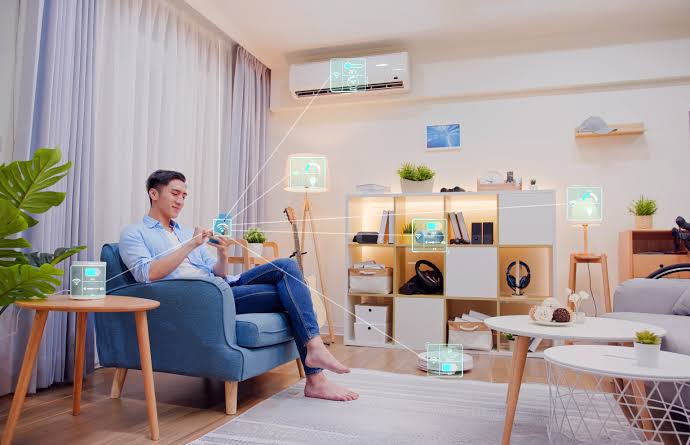
A comfortable home is not only about attractive interiors or modern furniture. The real quality of a living space depends on how well the home performs every day. Temperature control, air quality, energy usage, insulation, and overall efficiency all influence how comfortable and affordable a house can be.
Many homeowners focus on visible upgrades such as new flooring, paint, or kitchen renovations, but home performance improvements often provide more practical long-term benefits. A properly performing home maintains stable temperatures, uses less energy, prevents moisture problems, and creates a healthier environment for everyone living inside.
As technology continues to improve, homeowners are also becoming more interested in tools and platforms that help them make better decisions. Similar to how people check online resources before choosing entertainment platforms or digital services through searches like Reviews ThinkofGames Com, homeowners now research solutions carefully before investing in major home improvements.
Understanding What Home Performance Really Means
Home performance refers to how effectively a house operates as a complete system. Instead of looking at individual components separately, professionals evaluate how different parts of the home work together.
For example, insulation, windows, heating systems, ventilation, and air sealing all affect one another. A poorly insulated home may force a heating or cooling system to work harder, increasing energy costs. Likewise, a home with air leaks may feel uncomfortable even when the thermostat shows the correct temperature.
A high-performing home creates a balance between:
- Energy efficiency
- Indoor comfort
- Air quality
- Moisture management
- Lower maintenance needs
- Long-term savings
Thinking about a house as a complete system helps homeowners avoid temporary fixes and focus on improvements that create lasting results.
The Importance of Proper Insulation
Insulation plays one of the biggest roles in home performance. It works as a protective layer that slows down heat movement between the inside and outside of a building.
During colder months, good insulation helps keep warm air indoors. During hot weather, it prevents excessive heat from entering living areas. Without proper insulation, heating and cooling systems must operate longer to maintain comfortable temperatures.
Common areas where insulation problems occur include:
- Attics
- Exterior walls
- Basements
- Crawl spaces
- Around windows and doors
Many older homes have outdated insulation materials or areas where insulation has settled over time. Improving these areas can make rooms feel more comfortable while reducing unnecessary energy waste.
Air Sealing Helps Improve Efficiency
Even homes with good insulation can lose energy through unwanted air leaks. Small gaps and cracks around doors, windows, electrical outlets, and building joints can allow outdoor air to enter and conditioned air to escape.
Air sealing is a process that identifies and closes these unwanted openings. It helps create a more controlled indoor environment by reducing drafts and improving temperature consistency.
Benefits of air sealing include:
- Reduced heating and cooling costs
- Fewer uncomfortable cold or hot spots
- Better indoor air control
- Improved efficiency of HVAC systems
A home that holds conditioned air properly does not require constant adjustment from heating and cooling equipment.
Better Indoor Air Quality Creates a Healthier Home
Modern homes are often built with improved sealing methods, which help with efficiency but can sometimes reduce natural airflow. This makes proper ventilation more important than ever.
Indoor air can contain dust, allergens, humidity, cleaning product particles, and other pollutants. Without proper circulation, these particles may remain inside for longer periods.
Home performance strategies often include ventilation improvements that introduce fresh air while removing stale indoor air.
Ways to support better indoor air quality include:
- Regular HVAC filter replacement
- Balanced ventilation systems
- Humidity control
- Proper exhaust systems in kitchens and bathrooms
- Reducing sources of indoor pollution
A comfortable home should not only have the right temperature but also maintain clean and balanced air.
Energy-Efficient Windows Can Transform Comfort
Windows influence both the appearance and performance of a home. Older single-pane windows or poorly sealed frames can become major sources of energy loss.
Modern energy-efficient windows are designed to reduce heat transfer and improve insulation around openings. They can help prevent drafts, reduce outside noise, and maintain more consistent indoor temperatures.
However, replacing every window is not always the first step. Sometimes improving existing window seals, adding weather stripping, or using proper coverings can provide noticeable improvements.
A home performance assessment can help determine whether window replacement is necessary or whether smaller improvements can solve the problem.
Smart Technology Is Changing Home Performance
Technology has introduced new ways for homeowners to monitor and improve their living spaces. Smart thermostats, energy monitoring systems, and automated controls allow people to understand how their homes use energy.
Smart thermostats can learn household routines and adjust temperatures automatically. Energy monitoring tools can identify unusual consumption patterns and help homeowners make informed decisions.
Other useful technologies include:
- Smart lighting controls
- Automated ventilation systems
- Indoor air quality sensors
- Smart water management devices
These tools do not replace proper construction practices, but they help homeowners manage their homes more efficiently.
The Role of HVAC Maintenance
Heating and cooling systems are among the largest energy consumers in most homes. Even an efficient HVAC system can perform poorly without regular maintenance.
Simple maintenance tasks can improve performance, including:
- Changing filters regularly
- Cleaning system components
- Checking airflow
- Scheduling professional inspections
- Ensuring vents remain unobstructed
A struggling HVAC system may create uneven temperatures, higher utility bills, and unnecessary repairs. Maintaining equipment helps extend its lifespan and keeps the home comfortable throughout the year.
Moisture Control Prevents Future Problems
Moisture is one of the biggest threats to home performance. Excess humidity can lead to mold growth, damaged materials, and unpleasant indoor conditions.
Good moisture management involves controlling where water enters and how humidity moves through the building.
Important moisture control steps include:
- Repairing leaks quickly
- Maintaining proper drainage
- Using bathroom exhaust fans
- Monitoring indoor humidity levels
- Protecting foundations from water damage
A home that manages moisture effectively is easier to maintain and provides a healthier environment.
Why Professional Home Assessments Matter
Many homeowners try to solve comfort problems by replacing equipment or making random upgrades. However, the actual issue may be hidden somewhere else.
For example, installing a powerful air conditioner may not solve discomfort caused by poor insulation or air leakage. A professional home performance assessment identifies problem areas before money is spent on unnecessary improvements.
These assessments may include:
- Energy usage evaluation
- Air leakage testing
- Insulation inspection
- HVAC performance checks
- Moisture evaluation
The goal is to understand how the entire home functions and recommend improvements that provide the greatest value.
Small Improvements Can Create Big Results
Home performance upgrades do not always require major renovations. Small improvements can create meaningful changes when they address the right problems.
Examples include:
- Adding insulation where needed
- Sealing gaps around windows
- Installing efficient lighting
- Improving ventilation
- Updating old equipment
The most effective approach is usually a planned strategy rather than making random changes one at a time.
Building a More Efficient Future Home
As energy costs continue to change and homeowners become more aware of environmental concerns, home performance will remain an important part of modern living. Efficient homes are not only better for the environment but also provide better comfort and predictable operating costs.
A well-performing home combines smart technology, quality materials, proper maintenance, and thoughtful design. Whether someone owns an older property or a newly built house, improving performance can create a more enjoyable living experience.
The future of housing is moving toward homes that are healthier, smarter, and more efficient. By understanding how different systems work together, homeowners can make better decisions and create spaces that remain comfortable for years to come.