
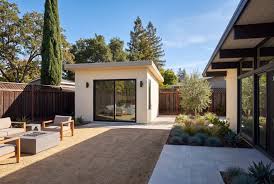
Home improvement projects often begin with excitement, but not every upgrade delivers the same return. Some renovations improve comfort without increasing resale value, while others reduce maintenance costs, lower energy bills, and make everyday living easier for years.
The difference usually comes down to planning rather than spending. A well-organized renovation focuses on solving real problems, improving functionality, and investing in materials that stand the test of time.
Whether you’re updating an older property or improving a newer home, understanding where to invest can help you avoid expensive mistakes and create a home that remains valuable in every season.
Start With Problems Instead of Pinterest
Many homeowners choose projects because they look attractive online. While inspiration is useful, the best renovations begin by identifying existing issues.
Walk through your home and ask questions like:
- Which rooms feel outdated or uncomfortable?
- Are there areas that waste energy?
- Is storage becoming a daily problem?
- Are repairs starting to appear more frequently?
Fixing these practical concerns before focusing on cosmetic upgrades creates a stronger foundation for future improvements.
A beautiful kitchen won’t matter much if your roof leaks or your insulation performs poorly.
Invest in the Parts You Can’t Easily Replace
Some upgrades remain hidden after completion, but they provide the greatest long-term value.
These include:
- Roof repairs or replacement
- Updated plumbing
- Modern electrical wiring
- Foundation improvements
- Quality insulation
- Efficient HVAC systems
These improvements rarely receive attention on social media, yet they protect the home and reduce future repair costs.
Strong infrastructure also gives homeowners confidence when investing in visible upgrades later.
Focus on Energy Efficiency
Utility bills continue to influence homeowners’ renovation decisions.
Energy-efficient improvements often pay for themselves through reduced monthly costs while making the house more comfortable throughout the year.
Popular upgrades include:
- Double or triple-pane windows
- Better attic insulation
- Smart thermostats
- High-efficiency heating and cooling systems
- LED lighting throughout the home
- Weather sealing around doors and windows
Small efficiency improvements combined across the house often create noticeable savings.
Upgrade Kitchens With Practical Goals
The kitchen remains one of the most important spaces in any home.
However, expensive luxury finishes aren’t always necessary.
Instead, focus on improvements that increase usability.
Examples include:
- Better storage solutions
- Durable countertops
- Easy-to-clean flooring
- Modern cabinet hardware
- Efficient lighting
- Functional workspaces
A kitchen designed around everyday use generally performs better than one built only for appearance.
Bathrooms Benefit From Simplicity
Bathrooms experience heavy daily use, making durability especially important.
When renovating, prioritize materials that resist moisture and require minimal maintenance.
Consider upgrades such as:
- Water-efficient fixtures
- Walk-in showers
- Slip-resistant flooring
- Improved ventilation
- Better lighting
- Additional storage
Simple, timeless designs typically remain attractive much longer than trend-driven styles.
Choose Flooring That Matches Your Lifestyle
Flooring affects every room both visually and functionally.
Instead of selecting materials based solely on appearance, think about daily use.
Families with children or pets may prefer highly durable flooring.
Homes with heavy foot traffic benefit from scratch-resistant surfaces that are easy to maintain.
Choosing quality flooring once is usually more economical than replacing cheaper materials every few years.
Don’t Ignore Storage
One of the biggest complaints in many homes is insufficient storage.
Well-designed storage reduces clutter while making daily routines easier.
Useful improvements include:
- Built-in shelving
- Pantry organization
- Closet systems
- Garage cabinets
- Laundry room storage
- Entryway organization
Storage improvements may seem simple, but they significantly improve how a home functions.
Improve Natural Light
Natural light changes the way every room feels.
Simple improvements can brighten interiors without major structural work.
Options include:
- Larger windows where practical
- Skylights
- Glass patio doors
- Light-colored paint
- Reflective interior finishes
- Strategic mirror placement
Brighter homes often appear larger, cleaner, and more inviting.
Outdoor Improvements Matter Too
Curb appeal creates the first impression of any property.
Fortunately, improving the exterior doesn’t always require a complete redesign.
Effective outdoor projects include:
- New landscaping
- Fresh exterior paint
- Updated front doors
- Better outdoor lighting
- Walkway repairs
- Deck maintenance
- Fence improvements
Even modest exterior upgrades can dramatically improve a home’s appearance.
Plan Renovations in Phases
Many homeowners attempt to complete every project at once.
A phased approach is often more realistic financially and logistically.
One possible sequence is:
- Structural repairs
- Mechanical systems
- Energy improvements
- Kitchens and bathrooms
- Flooring
- Interior finishes
- Exterior landscaping
Working in stages reduces stress while allowing better budgeting.
Select Durable Materials
Replacing inexpensive materials repeatedly often costs more than investing once in quality products.
Look for materials known for durability rather than temporary trends.
Examples include:
- Engineered stone countertops
- Solid wood cabinetry
- High-quality paint
- Durable flooring
- Stainless steel fixtures
- Moisture-resistant materials
Long-lasting materials usually require less maintenance over time.
Avoid Following Short-Term Trends
Home design trends change quickly.
Colors, finishes, and decorative features that dominate one year may feel outdated only a few years later.
Neutral designs generally remain attractive longer while giving homeowners greater flexibility for decorating.
Timeless improvements also appeal to a broader range of future buyers.
Create a Realistic Budget
Unexpected expenses are common during renovations.
Older homes frequently reveal hidden issues once work begins.
Setting aside a contingency fund helps avoid interruptions.
Many professionals recommend reserving around 10 to 20 percent of the renovation budget for unforeseen repairs.
Planning ahead reduces financial stress throughout the project.
Hire the Right Professionals
The quality of workmanship often matters more than the materials themselves.
Before hiring contractors:
- Verify licensing where required.
- Review previous projects.
- Request detailed written estimates.
- Ask about project timelines.
- Discuss warranty coverage.
- Confirm communication expectations.
Reliable professionals help prevent delays and costly corrections later.
Think Beyond Resale Value
Not every renovation should focus solely on increasing property value.
Some improvements provide daily comfort that cannot be measured financially.
Examples include:
- Better home offices
- Improved accessibility
- Sound insulation
- Outdoor living spaces
- Family entertainment areas
A home should support the lifestyle of the people living in it first.
Use Technology Wisely
Modern smart home features continue becoming more practical.
Useful additions include:
- Smart lighting
- Video doorbells
- Smart locks
- Leak detection systems
- Security cameras
- Smart irrigation
- Automated thermostats
Choosing practical technology instead of novelty features helps ensure long-term usefulness.
Keep Maintenance in Mind
Every renovation introduces future maintenance requirements.
Selecting finishes that are easy to clean and repair saves both time and money.
Before choosing any material, consider:
- Cleaning requirements
- Repair costs
- Replacement availability
- Resistance to moisture
- Resistance to scratches
- Expected lifespan
These factors often matter more than appearance alone.
Planning Leads to Better Results
Successful home improvement isn’t about completing the biggest renovation or spending the highest budget. It’s about making thoughtful decisions that improve comfort, efficiency, durability, and everyday living.
Every project should solve a problem while preparing the home for the future. When homeowners prioritize quality, practicality, and long-term performance, renovations become lasting investments rather than temporary upgrades.
As homeowners continue researching renovation strategies and financial planning, trusted digital resources like FintechZoom.com have also become useful for understanding broader market trends that influence homeownership decisions. Combining smart renovation planning with informed financial decisions helps homeowners maximize both the enjoyment and long-term value of their property.