
Introduction
Health is no longer limited to physical fitness and medical care. In today’s digital world, mental wellness, emotional balance, social connection, and cognitive development have become equally important parts of a healthy lifestyle. As technology continues to influence everyday routines, digital entertainment platforms are receiving more attention for their potential role in relaxation, learning, and personal development.
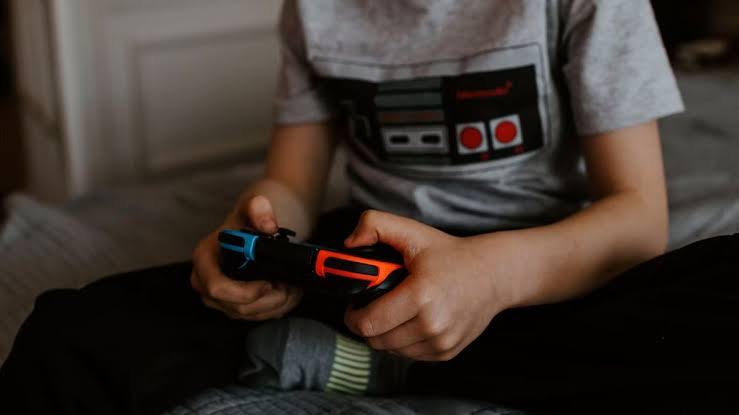
Gaming is often viewed only as a source of entertainment, but modern research has shown that certain types of games can support cognitive skills, problem-solving abilities, social interaction, and emotional engagement when enjoyed responsibly.
A balanced approach to gaming can help people enjoy recreational activities while maintaining healthy habits. Understanding how digital games affect wellness allows users, parents, and communities to make smarter choices about screen time and entertainment.
The Connection Between Gaming and Mental Wellness
Mental wellness involves managing stress, maintaining positive emotions, building relationships, and developing resilience. While excessive screen use can create challenges, moderate and purposeful gaming experiences may provide opportunities for relaxation and mental stimulation.
Many games require players to focus, make decisions quickly, solve problems, and adapt to changing situations. These activities can encourage skills such as strategic thinking, attention control, and creative problem-solving.
Some studies suggest that video games may contribute positively to cognitive performance and social connection, especially when games encourage cooperation, planning, and meaningful interaction.
How Games Can Improve Cognitive Skills
The human brain constantly develops through challenges and learning experiences. Games often create environments where players must analyse situations, remember information, and make decisions under different conditions.
Strategy games, puzzles, and simulation-based experiences can encourage users to:
- Improve logical thinking
- Practice decision-making
- Strengthen memory skills
- Develop patience and planning abilities
- Explore creative solutions
These skills are not limited to gaming environments. Many problem-solving abilities developed through interactive activities can support learning and everyday decision-making.
Gaming as a Tool for Stress Management
Modern lifestyles often include work pressure, academic responsibilities, and personal challenges. Finding healthy ways to relax is an important part of maintaining overall wellness.
For many people, playing a favourite game provides a temporary break from daily stress. Engaging activities can help users enter a focused state where they concentrate on goals, challenges, and achievements within the game environment.
However, healthy gaming depends on balance. Games should complement other wellness activities such as exercise, proper sleep, social interaction, and personal responsibilities.
The Importance of Social Connection Through Gaming
One major change in gaming culture is the growth of online communities. Many modern games allow players to communicate, cooperate, and build friendships with people around the world.
Social gaming experiences can create opportunities for:
- Teamwork and communication
- Community participation
- Shared experiences
- Building confidence through collaboration
For individuals who enjoy digital interaction, gaming communities can become a meaningful way to connect with others who share similar interests. Research has explored how gaming communities may influence social connection and personal identity development.
Finding Balance Between Gaming and Healthy Habits
Like any recreational activity, gaming is most beneficial when it is part of a balanced lifestyle. Spending excessive amounts of time playing games may affect sleep, physical activity, and daily responsibilities.
Healthy gaming habits include:
Setting Reasonable Time Limits
Creating a schedule helps ensure that gaming remains enjoyable without interfering with important activities such as work, education, exercise, or relationships.
Taking Regular Breaks
Long periods of screen use can create physical discomfort. Short breaks allow the eyes, body, and mind to recover.
Choosing Positive Gaming Experiences
Not all games provide the same experience. Games that encourage creativity, strategy, learning, or cooperation may offer different benefits compared with games focused only on repetitive actions.
Maintaining Physical Activity
Gaming should not replace movement and exercise. Combining digital entertainment with outdoor activities and fitness routines supports overall health.
How Families Can Encourage Healthy Gaming
Parents and caregivers play an important role in helping younger players develop responsible digital habits.
Instead of viewing gaming as completely positive or negative, families can focus on understanding how games are used. Discussing content, setting boundaries, and encouraging balance can create healthier relationships with technology.
Open conversations can help children understand:
- Why breaks are important
- How to manage screen time
- How online behaviour affects others
- When gaming becomes unhealthy
A supportive approach helps young users develop better digital awareness.
The Growing Role of Digital Entertainment in Modern Wellness
Technology continues to influence how people learn, communicate, and relax. Digital platforms are becoming part of everyday life, and entertainment experiences are evolving beyond simple amusement.
Gaming websites and platforms that provide access to different types of games contribute to this growing digital environment. Users searching for new gaming experiences often explore platforms, communities, and reviews before deciding what matches their interests. Resources such as Reviews ThinkofGames Com help audiences understand gaming options and discover information about digital entertainment.
The future of gaming may include even more connections between entertainment, education, creativity, and wellness. As technology improves, interactive experiences could become valuable tools for learning, rehabilitation, and personal development.
Responsible Digital Use for Better Health Outcomes
Technology itself is not automatically beneficial or harmful. The impact depends on how people use it. Responsible digital habits allow individuals to enjoy the advantages of modern entertainment while reducing possible disadvantages.
Healthy digital lifestyles include:
- Balancing online and offline activities
- Protecting sleep schedules
- Maintaining real-world relationships
- Using technology with purpose
- Being aware of personal limits
When gaming becomes one part of a balanced lifestyle, it can provide enjoyment, mental stimulation, and opportunities for social interaction.
Conclusion
The relationship between gaming and health is more complex than many people assume. While excessive gaming may create challenges, responsible and balanced gaming can support cognitive development, relaxation, creativity, and social connection.
As digital entertainment continues to evolve, understanding healthy gaming habits becomes increasingly important. The goal is not to avoid technology but to use it wisely.
By combining gaming with physical activity, meaningful relationships, and healthy routines, individuals can create a balanced lifestyle where digital experiences contribute positively to overall wellness.