
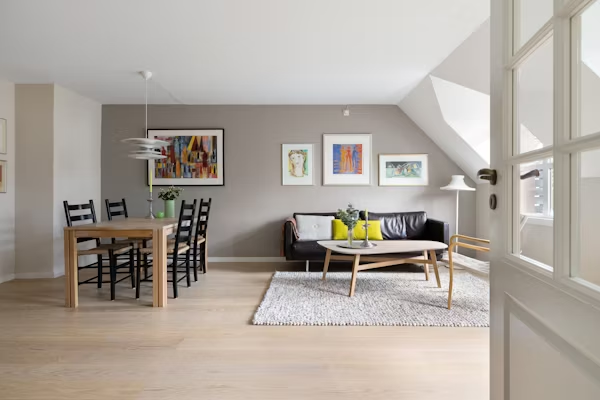
A home is more than a place to sleep and store belongings. It is where people relax, spend time with family, entertain guests, and create everyday memories. As lifestyles change, homeowners increasingly look for ways to make their living spaces more comfortable, attractive, functional, and energy-efficient. Home improvement offers an opportunity to achieve these goals without necessarily moving to a different property.
Whether someone owns a small apartment, a traditional family house, or a spacious modern property, thoughtful upgrades can make a noticeable difference. The best improvements are not always the most expensive ones. Sometimes, better lighting, improved storage, fresh paint, or updated fixtures can completely change the atmosphere of a room.
Understanding the Importance of Home Improvement
Home improvement involves repairing, upgrading, maintaining, and redesigning different parts of a residential property. These projects can focus on appearance, functionality, safety, comfort, or long-term property performance.
Some homeowners begin renovations because certain features have become outdated. Others want to address maintenance problems, improve energy efficiency, or create additional living space. Whatever the reason, a well-planned project can make a home more enjoyable while supporting its long-term condition.
A successful renovation should address actual household needs rather than simply follow temporary design trends. For example, installing additional kitchen cabinets may be more useful than purchasing decorative accessories if the existing space lacks storage.
Understanding the purpose of each improvement makes it easier to select suitable materials, manage expenses, and achieve meaningful results.
Refresh Interior Spaces With Thoughtful Design
Interior design plays an important role in creating a comfortable home. Even relatively small changes can make rooms feel brighter, more spacious, and welcoming.
Painting is one of the simplest ways to refresh an interior. Neutral shades such as warm white, beige, soft gray, and cream create a timeless appearance. Homeowners who prefer more personality can introduce deeper colors through accent walls, furniture, or decorative features.
Lighting also deserves attention. A combination of natural light, ceiling fixtures, floor lamps, and task lighting can make a room more practical. Replacing outdated light fixtures with modern alternatives can improve both appearance and everyday convenience.
Another useful improvement involves rearranging furniture. A room does not always need new furniture to look different. Moving existing pieces, removing unnecessary items, and creating clear walking areas can make better use of available space.
Upgrade the Kitchen for Better Everyday Functionality
The kitchen is one of the busiest areas of most homes. It serves as a cooking space, storage area, and often a gathering place for family members. Improving its layout and functionality can therefore have a positive impact on everyday life.
Homeowners do not necessarily need a complete kitchen renovation to achieve noticeable results. Replacing cabinet handles, updating faucets, installing a new backsplash, or improving countertop lighting can give the space a refreshed appearance.
Storage is another important consideration. Pull-out organizers, adjustable shelves, drawer dividers, and vertical storage solutions help keep cooking equipment and everyday essentials organized.
For larger projects, replacing damaged countertops, upgrading cabinets, and selecting durable flooring may be worthwhile. Materials should be chosen according to their resistance to moisture, heat, stains, and regular use.
A practical kitchen combines attractive design with enough workspace, accessible storage, and an efficient arrangement of appliances.
Create a More Comfortable and Functional Bathroom
Bathrooms require careful attention because they experience regular moisture exposure and frequent use. Even small improvements can make them feel cleaner, more comfortable, and easier to maintain.
Replacing old faucets, showerheads, cabinet handles, and lighting fixtures can modernize the space without requiring extensive construction. A new mirror or additional storage cabinet can also improve its appearance and usefulness.
Ventilation is particularly important. Proper airflow helps control moisture and reduces the likelihood of mold growth. Homeowners should inspect exhaust fans, windows, seals, and plumbing connections regularly.
For a more substantial renovation, consider replacing damaged tiles, updating the shower area, or installing a modern vanity. Water-resistant materials and slip-resistant flooring are practical choices for long-term performance.
The goal should be to create a bathroom that balances visual appeal, cleanliness, safety, and convenience.
Improve Energy Efficiency Throughout the Property
Energy efficiency is an increasingly important part of residential renovation. Homes that waste electricity or struggle to maintain comfortable indoor temperatures can create unnecessary expenses.
One useful starting point is identifying areas where conditioned air escapes. Gaps around doors, windows, and other openings may affect indoor comfort. Weatherstripping and appropriate sealing materials can help address these problems.
Insulation is another valuable consideration. Properly installed insulation helps regulate indoor temperatures and reduces the workload on heating and cooling equipment.
Replacing traditional bulbs with LED lighting can also reduce electricity consumption. Homeowners may consider energy-efficient appliances, programmable thermostats, and modern ceiling fans when planning additional improvements.
Window upgrades can make a difference as well. Well-fitted windows with suitable glazing help reduce unwanted heat transfer while improving indoor comfort.
These improvements are most effective when selected according to the property’s construction, local climate, and household requirements.
Make Better Use of Available Storage
Clutter can make even a beautifully decorated home feel uncomfortable. Effective storage solutions help maintain an organized environment while making better use of existing space.
Built-in wardrobes, under-bed storage, wall-mounted shelves, and multifunctional furniture are useful options for smaller properties. In larger homes, dedicated storage cabinets can help organize household supplies, seasonal decorations, and everyday belongings.
Unused corners can also become practical storage areas. For example, a narrow shelving unit may provide additional space in a hallway, while floating shelves can display books and decorative items without occupying valuable floor space.
The most effective storage improvements are easy to access and designed around the items people actually use.
Modernize Outdoor Areas and Improve Curb Appeal
The exterior of a property creates its first impression. A clean entrance, maintained garden, attractive lighting, and well-kept walls can improve the overall appearance of a home.
Simple improvements include repainting exterior surfaces, repairing damaged pathways, cleaning windows, and replacing worn entrance fixtures.
Gardens and outdoor spaces also offer opportunities for improvement. Adding suitable plants, arranging outdoor furniture, and creating shaded seating areas can make these spaces more enjoyable.
For properties with limited outdoor space, container gardening and vertical planting provide practical alternatives. These solutions introduce greenery without requiring a large garden.
Outdoor lighting deserves attention for both appearance and safety. Properly positioned lights around entrances, pathways, and patios improve visibility after sunset.
Regular exterior maintenance is just as important as decorative upgrades. Roof inspections, drainage maintenance, and timely repairs can help prevent more expensive problems.
Introduce Smart Technology Into Everyday Living
Technology has created new opportunities for making residential spaces more convenient. Smart home devices allow homeowners to control selected household functions through mobile applications, voice assistants, or automated settings.
Smart lighting systems can provide adjustable brightness and scheduled operation. Smart thermostats help manage indoor temperatures, while connected security cameras and doorbells offer additional monitoring options.
Other useful devices include motion sensors, smart plugs, automated curtains, and water-leak detectors.
However, homeowners should avoid installing technology simply because it is popular. Every device should serve a clear purpose and work reliably with the existing electrical and internet infrastructure.
Security is another consideration. Strong passwords, updated software, and secure wireless networks help protect connected household devices.
A carefully selected smart home system can improve convenience without making everyday living unnecessarily complicated.
Choose Durable Materials for Long-Term Results
Material selection can influence the appearance, maintenance requirements, and lifespan of a renovation project.
For example, flooring should be suitable for the amount of foot traffic and moisture exposure in each room. Porcelain tiles, engineered flooring, and quality vinyl products may be appropriate in different situations.
Countertops should withstand regular household use, while exterior paints need to tolerate local weather conditions.
Homeowners should compare more than the initial purchase price when selecting materials. Cleaning requirements, installation expenses, expected lifespan, and repair costs all deserve consideration.
Choosing reliable products may involve a slightly higher initial investment, but it can reduce the need for frequent replacements.
Plan Renovation Projects With a Realistic Budget
Budget planning is essential for avoiding unnecessary financial pressure during home improvement projects.
Before beginning, homeowners should identify the most important repairs and upgrades. Structural concerns, plumbing problems, electrical issues, and water damage generally deserve attention before purely decorative changes.
Once priorities are established, prepare an estimated budget covering materials, labor, transportation, equipment, and finishing work.
It is also sensible to reserve additional funds for unexpected expenses. Renovations sometimes reveal hidden problems that were not visible during the initial inspection.
Getting multiple estimates from qualified professionals can help homeowners compare prices and understand the expected scope of work.
For smaller projects, doing certain tasks independently may reduce labor expenses. However, electrical installations, major plumbing work, and structural modifications should be handled by appropriately qualified professionals.
Digital platforms and online resources can also help people explore different ideas, compare information, and develop better planning habits. For instance, readers who encounter websites such as Crypto30x.com while exploring the wider digital environment should evaluate online information carefully and keep financial research separate from their household renovation budget.
Maintain Your Home After Renovation
Completing a renovation does not mean maintenance is no longer necessary. Regular inspections and basic care help protect new installations and preserve the property’s condition.
Homeowners should periodically check plumbing connections, roof surfaces, drainage systems, electrical fixtures, and exterior finishes. Cleaning air filters, maintaining ventilation systems, and addressing small leaks promptly can prevent larger problems.
Painted surfaces, flooring, cabinets, and outdoor fixtures also benefit from appropriate cleaning and maintenance routines.
Keeping records of renovation work, warranties, product details, and professional services can make future repairs easier to manage.
A consistent maintenance routine helps ensure that improvements continue providing practical benefits over time.
Final Thoughts
A successful home improvement project should make a property more comfortable, functional, attractive, and easier to maintain. From refreshing interior spaces and upgrading kitchens to improving insulation and introducing smart technology, homeowners have many opportunities to enhance their surroundings.
The key is to make informed decisions based on actual needs, available resources, and long-term priorities. Instead of attempting every renovation at once, it is often more effective to complete projects gradually and focus on improvements that provide meaningful everyday benefits.
With thoughtful planning, suitable materials, and regular maintenance, even modest changes can transform an ordinary house into a more welcoming and practical living environment.