
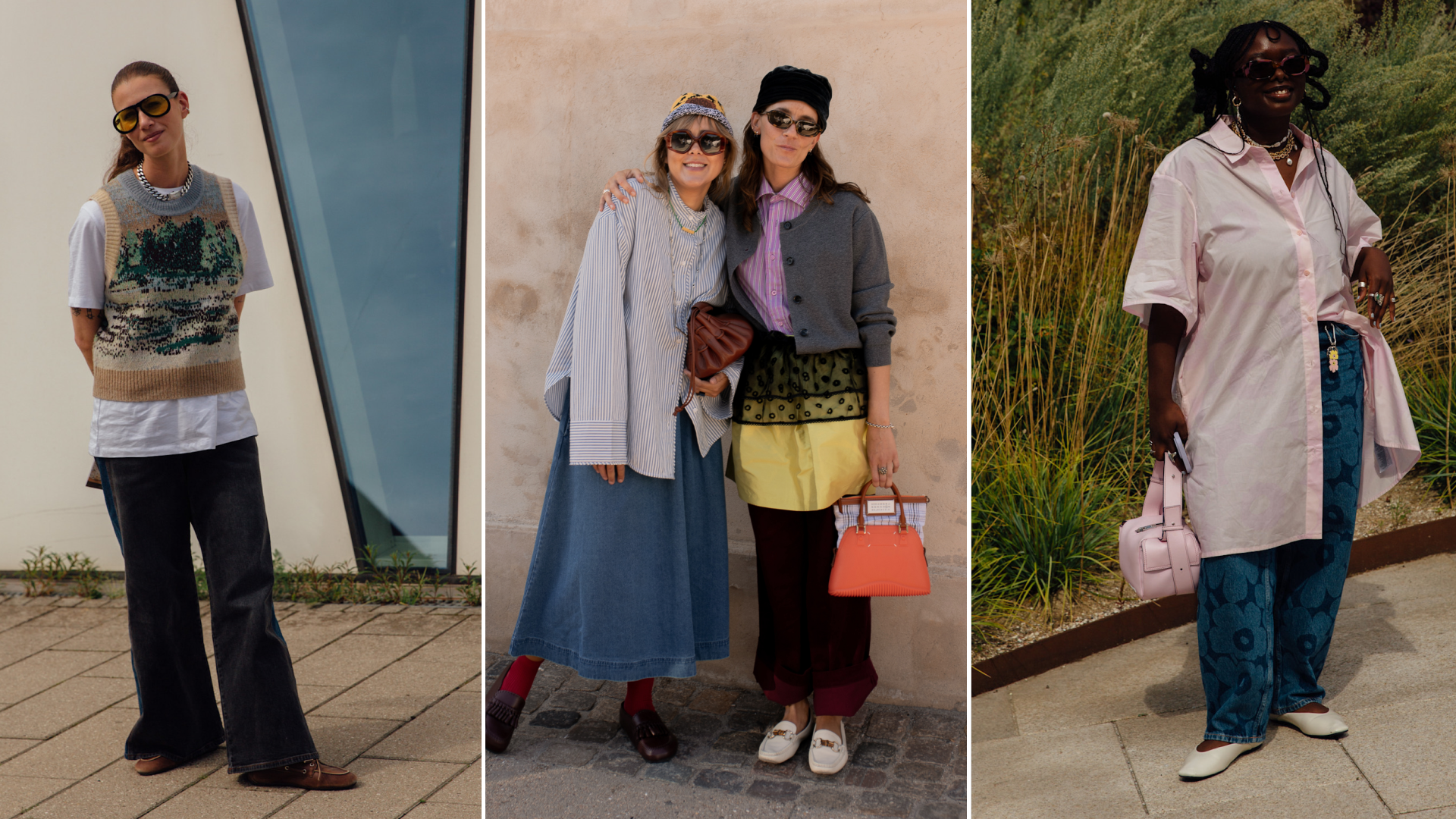
Knowing how to dress for every season is one of the easiest ways to build a practical, stylish wardrobe. Weather changes throughout the year affect not only comfort but also the durability of your clothing and your overall appearance. Instead of buying new outfits every few months, you can create a versatile wardrobe filled with timeless pieces that work across different temperatures.
Every season has its own fashion challenges. Spring brings unpredictable weather, summer requires breathable clothing, autumn calls for strategic layering, and winter demands warmth without sacrificing style. Understanding which fabrics, colors, and outfit combinations work best will help you look polished throughout the year.
Why Seasonal Dressing Matters
Dressing according to the season isn’t just about following fashion trends. It offers several practical benefits:
- Keeps you comfortable in changing weather.
- Extends the lifespan of your clothing.
- Helps you avoid unnecessary purchases.
- Makes outfit planning quicker.
- Creates a more organized wardrobe.
When your clothing matches the climate, you stay comfortable while looking put together in any situation.
Spring Fashion Guide
Spring is known for mild temperatures, blooming flowers, and occasional rain showers. The weather can change several times in one day, making lightweight layering the key to successful spring dressing.
Best Fabrics for Spring
Choose breathable fabrics that offer light warmth without overheating.
Some excellent choices include:
- Cotton
- Linen blends
- Chambray
- Lightweight denim
- Rayon
- Bamboo fabric
These materials allow airflow while providing enough coverage during cool mornings and evenings.
Spring Wardrobe Essentials
A functional spring wardrobe should include:
- Lightweight trench coat
- Denim jacket
- White sneakers
- Cotton T-shirts
- Button-up shirts
- Light cardigans
- Straight-leg jeans
- Midi skirts
- Chinos
- Ankle boots
Neutral colors like beige, white, navy, olive, and soft gray mix easily with brighter spring shades such as lavender, sage green, blush pink, and sky blue.
Spring Outfit Ideas
For Women
- Floral midi dress with a denim jacket and white sneakers.
- High-waisted jeans with a pastel sweater and loafers.
- Wide-leg trousers paired with a lightweight blouse and flats.
For Men
- Chinos with a polo shirt and lightweight bomber jacket.
- Slim-fit jeans with a white T-shirt layered under an overshirt.
- Oxford shirt with khaki pants and casual sneakers.
Accessories like lightweight scarves, sunglasses, and crossbody bags complete spring outfits without adding bulk.
Summer Fashion Guide
Summer calls for clothing that keeps you cool while protecting your skin from the sun. Breathability becomes the top priority.
Best Fabrics for Summer
Natural fabrics perform best in hot weather.
Look for:
- Linen
- Cotton
- Bamboo
- Seersucker
- Lightweight jersey
- Moisture-wicking performance fabrics
Avoid thick polyester whenever possible, as it traps heat and moisture.
Summer Wardrobe Essentials
A complete summer wardrobe should include:
- Linen shirts
- Cotton T-shirts
- Shorts
- Lightweight dresses
- Maxi skirts
- Polo shirts
- Tank tops
- Sandals
- White sneakers
- Sun hat
- Sunglasses
- Swimsuit
Choose lighter colors because they reflect sunlight better than darker shades.
Popular summer colors include:
- White
- Beige
- Light blue
- Mint green
- Coral
- Yellow
- Peach
Summer Outfit Ideas
For Women
- Linen dress with flat sandals and a straw tote bag.
- Denim shorts paired with a cotton tank top and white sneakers.
- Wide-leg linen pants with a sleeveless blouse.
For Men
- Linen shirt with tailored shorts and loafers.
- Cotton polo paired with chino shorts.
- Lightweight button-down shirt with breathable trousers for evening events.
Keep accessories minimal during summer to stay comfortable.
Autumn Fashion Guide
Autumn offers cooler temperatures and is often considered the best season for fashion because layering becomes both practical and stylish.
Best Fabrics for Autumn
Look for fabrics that provide warmth without becoming too heavy.
Ideal options include:
- Denim
- Corduroy
- Wool blends
- Flannel
- Cotton twill
- Cashmere
- Suede
These materials create texture while maintaining comfort.
Autumn Wardrobe Essentials
Essential autumn clothing includes:
- Leather jacket
- Wool blazer
- Knit sweaters
- Flannel shirts
- Dark jeans
- Chelsea boots
- Cardigans
- Long-sleeve T-shirts
- Midi skirts
- Scarves
Earthy colors dominate autumn fashion.
Popular shades include:
- Rust
- Mustard
- Camel
- Olive
- Burgundy
- Chocolate brown
- Forest green
Autumn Outfit Ideas
For Women
- Knit sweater tucked into a midi skirt with ankle boots.
- Dark jeans paired with a plaid shirt and leather jacket.
- Long cardigan layered over a basic dress.
For Men
- Flannel shirt over a plain T-shirt with dark denim.
- Wool sweater paired with chinos and Chelsea boots.
- Casual blazer with dark jeans and leather sneakers.
Layering different textures adds visual interest while keeping you comfortable throughout the day.
Winter Fashion Guide
Winter fashion focuses on insulation while maintaining style. Smart layering keeps you warm without making outfits feel bulky.
Best Fabrics for Winter
Warm fabrics include:
- Wool
- Merino wool
- Cashmere
- Fleece
- Down-filled materials
- Heavy cotton
- Velvet
- Thermal fabrics
Quality winter fabrics provide insulation while remaining breathable.
Winter Wardrobe Essentials
Your winter wardrobe should include:
- Wool overcoat
- Puffer jacket
- Thermal tops
- Sweaters
- Turtlenecks
- Wool trousers
- Dark jeans
- Leather boots
- Gloves
- Beanie
- Thick scarves
- Wool socks
Dark neutral colors work particularly well during winter.
Popular winter shades include:
- Black
- Navy
- Charcoal
- Deep green
- Burgundy
- Camel
- Cream
Winter Outfit Ideas
For Women
- Wool coat layered over a turtleneck and tailored trousers.
- Sweater dress paired with knee-high boots.
- Thermal leggings under long skirts with oversized knitwear.
For Men
- Wool overcoat over a turtleneck sweater and dark jeans.
- Puffer jacket with thermal layers and hiking boots.
- Cable-knit sweater paired with wool trousers.
Accessories become both functional and fashionable during winter.
Layering Techniques for Every Season
Layering is one of the most valuable styling skills because it helps adapt outfits to changing temperatures.
The Three-Layer Rule
A simple layering system consists of three parts.
Base Layer
The base layer sits directly against your skin.
Choose:
- Cotton T-shirts
- Moisture-wicking tops
- Thermal shirts
Its purpose is to regulate body temperature and manage moisture.
Middle Layer
The middle layer provides insulation.
Examples include:
- Sweaters
- Hoodies
- Cardigans
- Fleece jackets
This layer traps warmth while remaining breathable.
Outer Layer
The outer layer protects against weather conditions.
Options include:
- Rain jackets
- Trench coats
- Leather jackets
- Wool coats
- Puffer jackets
Select outerwear according to rainfall, wind, or cold temperatures.
Choosing the Right Fabrics
Fabric selection significantly affects comfort.
Breathable Fabrics
Perfect for warm weather:
- Linen
- Cotton
- Bamboo
- Rayon
Insulating Fabrics
Ideal for colder months:
- Wool
- Cashmere
- Fleece
- Down
Stretch Fabrics
Suitable for active lifestyles:
- Spandex blends
- Performance knits
- Athletic fabrics
Choosing fabrics based on climate ensures clothing remains comfortable throughout the day.
Building a Year-Round Capsule Wardrobe
Instead of purchasing trendy items every season, focus on timeless essentials that work all year.
Essential Tops
- White T-shirts
- Black T-shirts
- Oxford shirts
- Knit sweaters
- Polo shirts
- Neutral blouses
Essential Bottoms
- Blue jeans
- Black jeans
- Chinos
- Tailored trousers
- Shorts
- Midi skirt
Essential Outerwear
- Denim jacket
- Leather jacket
- Trench coat
- Wool coat
- Lightweight blazer
Essential Footwear
- White sneakers
- Loafers
- Ankle boots
- Sandals
- Running shoes
- Formal shoes
A capsule wardrobe allows endless outfit combinations with fewer clothing items.
Seasonal Accessories
Accessories change throughout the year and help complete outfits.
Spring
- Lightweight scarves
- Sunglasses
- Canvas tote bags
Summer
- Straw hats
- Sunglasses
- Canvas sneakers
- Lightweight jewelry
Autumn
- Leather belts
- Wool scarves
- Structured handbags
Winter
- Wool gloves
- Knit hats
- Thick scarves
- Leather boots
Well-chosen accessories enhance outfits without requiring a completely new wardrobe.
Common Seasonal Dressing Mistakes
Many people make avoidable fashion mistakes during seasonal transitions.
These include:
- Wearing heavy fabrics during hot weather.
- Ignoring layering opportunities.
- Buying trendy items instead of timeless basics.
- Choosing style over comfort.
- Wearing worn-out seasonal footwear.
- Forgetting waterproof outerwear in rainy months.
- Over-accessorizing during summer.
- Wearing clothing that doesn’t fit properly.
Avoiding these mistakes helps create polished, practical outfits year-round.
Tips for Transitioning Between Seasons
Changing weather often makes outfit planning difficult.
Here are some practical strategies:
- Keep lightweight jackets accessible during spring and autumn.
- Store off-season clothing neatly to save closet space.
- Rotate footwear based on weather conditions.
- Introduce seasonal colors gradually.
- Invest in versatile layering pieces.
- Choose neutral basics that pair easily with seasonal accents.
Small adjustments make seasonal transitions much smoother.
Sustainable Seasonal Fashion
Building a seasonal wardrobe doesn’t require buying dozens of new outfits every year.
Consider these sustainable practices:
- Purchase higher-quality clothing that lasts longer.
- Choose timeless styles over fast-changing trends.
- Repair damaged clothing whenever possible.
- Donate items you no longer wear.
- Shop secondhand for classic wardrobe staples.
- Select natural fibers that have a longer lifespan.
A thoughtful wardrobe saves money while reducing environmental impact.
Final Thoughts
Dressing well throughout the year is less about owning countless outfits and more about choosing the right clothing for each season. By understanding seasonal fabrics, investing in timeless wardrobe essentials, and mastering layering techniques, you can stay comfortable and stylish no matter the weather.
Spring calls for light layers, summer emphasizes breathable fabrics, autumn is the perfect time for textured layering, and winter focuses on warmth through smart insulation. Combining versatile basics with seasonal colors and accessories creates endless outfit possibilities without overcrowding your closet.
A well-planned wardrobe works year-round, making daily outfit choices simpler, reducing unnecessary spending, and ensuring you’re prepared for every change in the seasons. Whether you’re dressing for work, travel, casual weekends, or special occasions, a thoughtful seasonal approach helps you look confident and feel comfortable every day.