
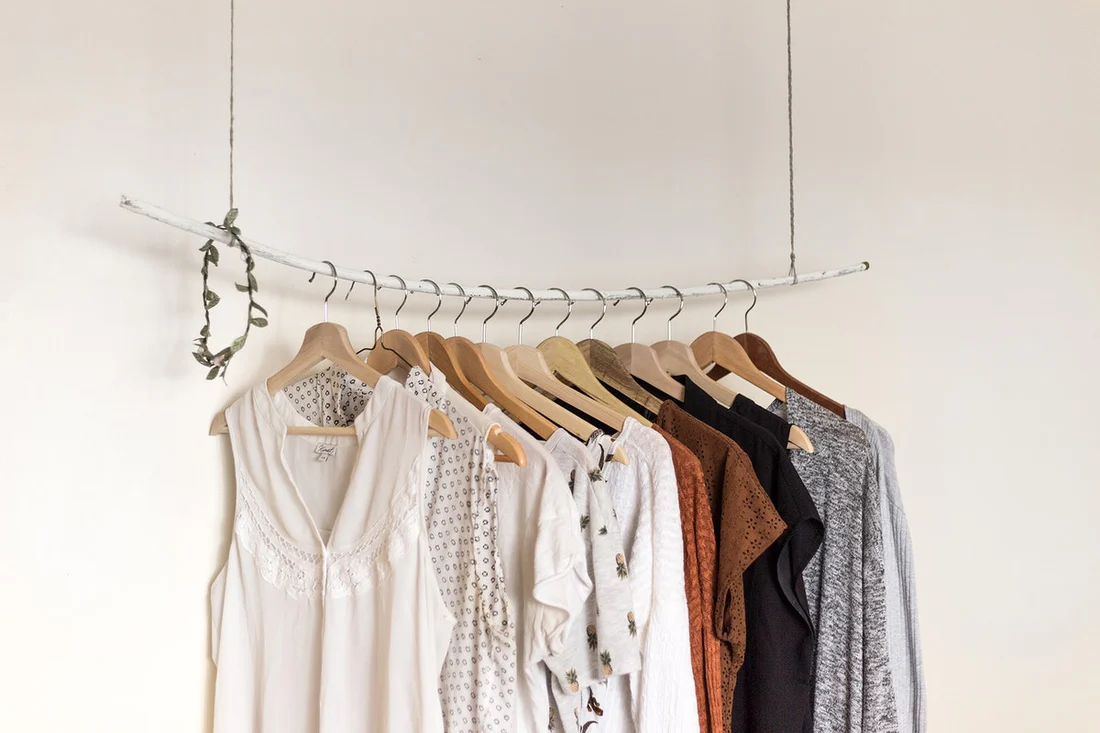
The fashion industry has always been about creativity, self-expression, and evolving trends. However, the rapid growth of fast fashion has also created serious environmental and social challenges. Millions of garments are produced every year, many of which end up in landfills after only a few wears. At the same time, concerns about pollution, excessive water consumption, unfair labor practices, and textile waste continue to grow.
This has led many consumers to rethink how they shop and care for their clothing. Sustainable fashion has become more than just a trend—it represents a smarter and more responsible approach to dressing. Instead of focusing on buying more, sustainable fashion encourages buying better, wearing clothes longer, supporting ethical brands, and reducing waste.
Whether you’re completely new to sustainable fashion or looking to make more environmentally conscious choices, understanding the basics can help you build a wardrobe that benefits both you and the planet.
What Is Sustainable Fashion?
Sustainable fashion refers to clothing that is designed, produced, distributed, and consumed in ways that reduce environmental impact while supporting fair working conditions.
Unlike fast fashion, which emphasizes mass production and low prices, sustainable fashion values quality, durability, ethical manufacturing, and responsible resource use.
A sustainable wardrobe doesn’t require replacing everything you own. Instead, it encourages thoughtful purchasing decisions and making the most of existing clothing.
The key goals of sustainable fashion include:
- Reducing textile waste
- Lowering carbon emissions
- Conserving water and natural resources
- Supporting fair wages and safe working conditions
- Promoting durable, long-lasting clothing
- Encouraging clothing repair and reuse
Why Sustainable Fashion Matters
Fashion is one of the world’s largest industries, but it also has a significant environmental footprint.
Some of the biggest concerns include:
Massive Textile Waste
Millions of tons of clothing are discarded every year. Many garments are made from synthetic materials that take decades or even centuries to decompose.
Water Consumption
Producing cotton and dyeing fabrics require enormous amounts of water. Water pollution from textile factories also affects rivers and surrounding ecosystems.
Carbon Emissions
Manufacturing, transporting, and selling clothing contribute significantly to greenhouse gas emissions.
Labor Issues
Many fast fashion factories operate in countries where workers receive low wages and work under poor conditions.
By supporting sustainable fashion, consumers help encourage companies to adopt more responsible business practices.
What Makes a Clothing Brand Eco-Friendly?
An eco-friendly clothing brand focuses on minimizing environmental impact throughout its supply chain.
Common characteristics include:
- Using organic or recycled materials
- Reducing plastic packaging
- Conserving water during production
- Using renewable energy where possible
- Designing durable products
- Offering clothing repair programs
- Recycling old garments
- Reducing chemical use
Transparency is another important factor. Sustainable companies often share information about their factories, sourcing methods, and environmental goals.
Ethical Shopping: Buying With Purpose
Ethical shopping means considering how clothing is made before purchasing it.
Instead of asking only:
“Does this look good?”
Consumers also ask:
- Who made it?
- Were workers paid fairly?
- Was the production environmentally responsible?
- Will this item last for years?
- Do I really need it?
Ethical shopping doesn’t always mean buying expensive designer clothing. It simply means making thoughtful decisions that align with responsible consumption.
Questions to Ask Before Buying Clothes
Before making a purchase, ask yourself:
- Will I wear this at least 30 times?
- Does it match clothes I already own?
- Is the quality good enough to last?
- Can it be repaired?
- Is it made from sustainable materials?
- Is it replacing something I actually need?
These simple questions can dramatically reduce unnecessary purchases.
Sustainable Fabric Choices
The type of fabric used in clothing plays a major role in sustainability.
Organic Cotton
Organic cotton is grown without harmful synthetic pesticides and uses more environmentally friendly farming methods.
Benefits include:
- Softer feel
- Less chemical exposure
- Reduced soil pollution
- Better for biodiversity
Linen
Made from flax plants, linen is one of the oldest natural fabrics.
Advantages include:
- Highly breathable
- Durable
- Biodegradable
- Requires less water than cotton
Hemp
Hemp has become increasingly popular in sustainable fashion.
Benefits include:
- Extremely durable
- Naturally resistant to pests
- Requires little water
- Improves soil quality during cultivation
TENCEL™ Lyocell
Produced from sustainably sourced wood pulp, Lyocell is known for its smooth texture and environmentally responsible manufacturing process.
Advantages include:
- Soft and comfortable
- Breathable
- Biodegradable
- Lower environmental impact
Recycled Polyester
Instead of producing new plastic fibers, recycled polyester transforms plastic bottles and old textiles into new fabric.
Benefits include:
- Reduces plastic waste
- Requires fewer raw materials
- Extends the life of existing plastics
However, washing synthetic fabrics may release microplastics, so using laundry filters or washing bags can help minimize this issue.
Wool
Responsibly sourced wool is renewable and naturally biodegradable.
High-quality wool garments often last for decades when properly maintained.
Fabrics to Be More Mindful About
While no fabric is perfect, some materials generally have greater environmental impacts.
These include:
- Conventional cotton grown with heavy pesticide use
- Virgin polyester made from petroleum
- Acrylic fabrics
- Cheap synthetic blends that are difficult to recycle
Choosing higher-quality versions of these materials can still be more sustainable if the clothing lasts for many years.
Understanding Slow Fashion
Slow fashion is the opposite of fast fashion.
Instead of encouraging constant shopping, slow fashion promotes:
- Buying fewer clothes
- Choosing better quality
- Wearing garments longer
- Repairing damaged items
- Supporting local artisans
- Investing in timeless designs
A slow fashion wardrobe often contains versatile pieces that remain stylish for years instead of following short-lived trends.
Building a Sustainable Wardrobe
Creating an eco-friendly wardrobe doesn’t happen overnight.
Start with these practical steps.
Buy Less
Avoid impulse purchases.
Give yourself a day or two before buying non-essential clothing.
Often, you’ll realize you don’t actually need it.
Choose Quality Over Quantity
A well-made jacket that lasts ten years is usually more sustainable than buying several cheaper replacements.
Inspect:
- Stitching
- Fabric thickness
- Buttons
- Zippers
- Seams
Quality construction extends a garment’s lifespan.
Stick to Timeless Styles
Classic clothing rarely goes out of fashion.
Examples include:
- White shirts
- Denim jeans
- Neutral sweaters
- Black trousers
- Simple dresses
- Tailored blazers
Timeless pieces are easier to mix and match throughout the year.
Shopping Secondhand
Buying pre-owned clothing is one of the most sustainable choices available.
Secondhand shopping extends the life of garments while reducing demand for new production.
Places to find secondhand clothing include:
- Thrift stores
- Vintage shops
- Charity stores
- Online resale marketplaces
- Community clothing swaps
Many secondhand items are high quality and available at significantly lower prices.
Renting Instead of Buying
For weddings, formal events, or special occasions, renting clothing can reduce unnecessary purchases.
Instead of buying an expensive outfit you’ll wear once, rental services allow you to enjoy premium fashion without long-term ownership.
Recycling Old Clothing
Not every garment belongs in the trash.
Many textiles can be recycled into:
- Insulation materials
- Cleaning cloths
- Furniture stuffing
- Industrial fibers
- New textiles
Some clothing brands also operate garment collection programs that accept worn-out clothing regardless of condition.
Always check local textile recycling options before disposing of clothing.
Clothing Care for Longer Lifespan
Taking care of clothing is an important part of sustainability.
Simple habits include:
Wash Less Frequently
Many garments don’t need washing after every use.
Sweaters, jackets, and jeans often last longer with less frequent washing.
Wash in Cold Water
Cold water:
- Saves energy
- Reduces fabric damage
- Helps preserve colors
Air Dry Whenever Possible
Using a clothesline or drying rack reduces electricity use while extending garment life.
High heat from dryers can weaken fabric fibers over time.
Store Clothing Properly
Proper storage prevents wrinkles, stretching, and insect damage.
Use:
- Wooden hangers
- Breathable garment bags
- Folded storage for knitwear
DIY Upcycling Ideas
Upcycling transforms old clothing into something useful or fashionable instead of throwing it away.
Here are several beginner-friendly ideas.
Turn Jeans into Shorts
Old jeans with damaged lower legs can become stylish shorts.
Add decorative stitching or fabric patches for a unique look.
Create Tote Bags from T-Shirts
An old cotton T-shirt can easily become a reusable shopping bag with basic sewing.
Patch Worn Clothing
Instead of hiding repairs, decorative patches can add personality to jackets, jeans, and backpacks.
Visible mending has become a popular fashion trend.
Make Cleaning Cloths
Old cotton shirts and towels can be cut into reusable cleaning rags, reducing paper towel waste.
Refresh Old Clothing
Instead of replacing faded garments, consider:
- Fabric dye
- Embroidery
- Iron-on patches
- Decorative buttons
- Fabric paint
Small changes can make older clothing feel brand new.
Sustainable Fashion on a Budget
Many people believe sustainable fashion is expensive.
In reality, it often saves money over time.
Budget-friendly strategies include:
- Buying fewer clothes
- Shopping secondhand
- Repairing garments
- Waiting for seasonal sales
- Creating capsule wardrobes
- Borrowing clothing for special occasions
Spending slightly more on durable clothing often reduces replacement costs in the future.
Recognizing Greenwashing
Some companies market themselves as environmentally friendly without making meaningful changes.
This practice is known as greenwashing.
Watch for warning signs such as:
- Vague claims like “eco-friendly” without evidence
- No information about factories
- No sustainability reports
- Heavy promotion of “green collections” while producing excessive fast fashion
- Lack of transparency about materials
Trustworthy brands usually provide measurable information about their environmental goals and supply chains.
Popular Eco-Friendly Clothing Brands
Many companies now prioritize sustainability while offering stylish collections.
Some well-known examples include:
- Patagonia
- People Tree
- Pact
- Tentree
- Thought Clothing
- Eileen Fisher
- Kotn
- Veja
- Nudie Jeans
- Outerknown
Each brand approaches sustainability differently, so researching their practices helps determine whether they align with your values.
The Role of Consumers
Every purchase sends a message about the type of fashion industry consumers want to support.
Small choices add up over time.
Examples include:
- Buying one quality item instead of three cheap alternatives
- Repairing clothing before replacing it
- Supporting local designers
- Donating unwanted garments
- Sharing clothing with family or friends
- Choosing timeless styles over rapidly changing trends
Collectively, these habits reduce waste while encouraging businesses to improve sustainability practices.
Sustainable Fashion Myths
Several misconceptions prevent people from embracing sustainable fashion.
Myth: Sustainable Clothing Is Always Expensive
While some ethical brands charge premium prices, secondhand shopping and clothing swaps make sustainable fashion affordable for nearly everyone.
Myth: You Need to Replace Your Entire Wardrobe
The most sustainable wardrobe is often the one you already own.
Wearing existing clothes for longer is better than replacing everything with new “green” alternatives.
Myth: Sustainable Fashion Is Boring
Modern eco-friendly brands offer clothing in a wide range of styles, colors, and designs, from casual basics to luxury fashion.
Myth: One Person Can’t Make a Difference
Every clothing purchase influences demand. When millions of consumers choose responsibly made garments, companies pay attention.
Future Trends in Sustainable Fashion
Innovation continues to reshape the fashion industry.
Emerging trends include:
- Plant-based leather alternatives
- Clothing made from agricultural waste
- Digital fashion sampling to reduce production waste
- Closed-loop textile recycling
- AI-powered inventory management to reduce overproduction
- Biodegradable performance fabrics
- Rental and resale platforms becoming mainstream
As technology improves, sustainable clothing is expected to become more accessible and affordable.
Conclusion
Sustainable fashion is not about achieving perfection or following strict rules. It is about making thoughtful choices that reduce waste, protect natural resources, and support fair treatment of workers. Every decision—from selecting higher-quality fabrics and supporting ethical brands to repairing old clothes and embracing secondhand shopping—contributes to a more responsible fashion industry.
Building a sustainable wardrobe takes time, but even small changes can have a meaningful impact. By focusing on quality over quantity, embracing slow fashion, exploring eco-friendly materials, recycling unwanted garments, and trying simple DIY upcycling projects, anyone can enjoy stylish clothing while helping create a healthier future for people and the planet.