Making your home more energy efficient is one of the smartest ways to reduce household expenses while creating a comfortable living environment. Many homeowners believe that improving energy efficiency requires expensive renovations, modern appliances, or major construction work. However, small changes in everyday habits and a few practical home improvements can make a noticeable difference.
An energy-efficient home uses electricity, heating, cooling, and water more effectively. It helps reduce unnecessary energy consumption, lowers monthly utility bills, and supports a more environmentally responsible lifestyle. Whether you live in a small apartment or a large family house, there are several affordable ways to improve your home’s energy performance.
In this guide, we will explore practical improvements that can help you save energy without making your home improvement budget unnecessarily expensive.
1. Start by Identifying Where Energy Is Being Wasted
Before making changes, take some time to understand how your household uses energy. Many homes waste electricity through outdated appliances, unnecessary lighting, poor insulation, and inefficient cooling systems.
Start by checking your monthly electricity bills. Compare your energy consumption over several months to identify unusual increases. Pay attention to appliances that operate for long periods, such as refrigerators, air conditioners, water heaters, and washing machines.
You should also inspect doors, windows, ceilings, and walls for possible air leaks. Small gaps can allow cooled or heated air to escape, forcing your heating and cooling systems to work harder.
Identifying these problems first helps you prioritize improvements that offer the greatest benefits.
2. Replace Traditional Bulbs With LED Lighting
Lighting is one of the easiest areas to improve when making a home more energy efficient. Traditional incandescent bulbs consume considerably more electricity than modern LED alternatives.
LED bulbs use less energy, produce less heat, and generally last much longer. This means homeowners can reduce electricity consumption while avoiding frequent bulb replacements.
Consider replacing the most frequently used lights first, including those in kitchens, living rooms, bedrooms, and outdoor areas.
You can also improve lighting efficiency by:
- Turning off lights when leaving a room.
- Using natural daylight whenever possible.
- Installing motion sensors in hallways and outdoor spaces.
- Choosing appropriate brightness levels for different rooms.
- Cleaning light fixtures regularly to maintain brightness.
These simple habits can make everyday lighting more affordable and efficient.
3. Improve Insulation Around Your Home
Insulation plays an important role in maintaining comfortable indoor temperatures. Without proper insulation, warm air can escape during colder months, while unwanted heat can enter during summer.
This problem often increases the workload of air conditioners, heaters, and other temperature-control systems.
Start by checking the insulation in your roof, attic, ceilings, and exterior walls. If your home has noticeable temperature differences between rooms, poor insulation could be one possible reason.
Weatherstripping around doors and windows is another affordable improvement. It helps close small openings that allow outside air to enter.
For homeowners planning larger renovations, adding suitable insulation materials can improve indoor comfort and reduce long-term energy consumption.
4. Choose Energy-Efficient Home Appliances
Household appliances account for a significant portion of residential electricity use. Older refrigerators, washing machines, air conditioners, and other electrical devices may consume more power than newer energy-efficient models.
When replacing an appliance, compare its energy rating and estimated annual electricity consumption rather than focusing only on its purchase price.
For example, an energy-efficient refrigerator may cost more initially but use less electricity throughout its operating life.
You do not need to replace every appliance immediately. Instead, prioritize equipment that runs frequently or has become inefficient because of age or poor maintenance.
Also remember to use appliances wisely. Washing clothes with full loads, avoiding unnecessary dryer cycles, and switching off unused equipment can help reduce household energy consumption.
5. Use Air Conditioning More Efficiently
Air conditioning can significantly increase electricity bills, especially during hot weather. However, using your cooling system more carefully can help maintain comfortable temperatures without wasting unnecessary energy.
Start by setting a reasonable temperature instead of keeping your air conditioner at its lowest setting throughout the day.
Regular maintenance is equally important. Dirty filters restrict airflow and make cooling systems work harder. Cleaning or replacing filters according to the manufacturer’s instructions can improve performance.
Other useful practices include:
- Keeping doors and windows closed while cooling a room.
- Using ceiling or portable fans when appropriate.
- Closing curtains during the hottest hours.
- Cleaning air conditioner filters regularly.
- Scheduling professional maintenance when needed.
These improvements can reduce unnecessary energy use while helping your cooling equipment operate more effectively.
6. Make Better Use of Natural Light
Natural daylight can reduce the need for artificial lighting during the day. It also makes indoor spaces feel more open, welcoming, and comfortable.
Keep windows clean and avoid placing large objects directly in front of them. Choose light-colored curtains that allow sunlight into rooms while providing privacy.
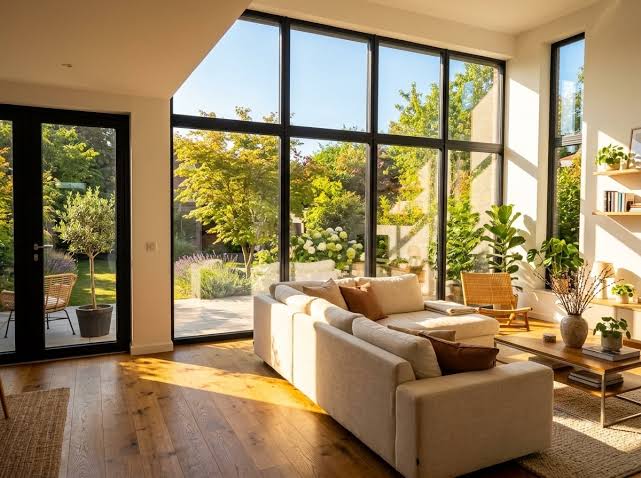
If you are planning a renovation, consider designs that improve natural light. Larger windows, suitable skylights, and open interior layouts can make a difference when properly planned.
However, natural lighting should be balanced with heat management. In warmer climates, excessive direct sunlight can increase indoor temperatures. Use blinds, curtains, or external shading to control unwanted heat.
7. Reduce Water Heating Energy Consumption
Water heating is another area where households can save energy. Traditional water heaters may consume considerable electricity, particularly when hot water is used frequently.
Start by avoiding unnecessarily high water temperatures. Follow the manufacturer’s recommended settings and local safety guidance.
You can also reduce energy waste by:
- Fixing leaking hot water taps.
- Insulating accessible hot water pipes where suitable.
- Installing efficient showerheads.
- Taking shorter showers.
- Using hot water only when necessary.
If your existing water heater is old or inefficient, consider comparing modern energy-efficient alternatives before replacing it.
8. Consider Smart Home Technology
Modern smart home devices can make energy management easier. They allow homeowners to monitor electricity consumption, control appliances, and adjust lighting or temperature settings more conveniently.
Smart thermostats, where compatible with the heating or cooling system, can automatically adjust temperatures based on household schedules.
Smart plugs can help control selected appliances and identify unnecessary standby consumption. Smart lighting systems can also turn lights off automatically when rooms are empty.
However, not every smart device automatically saves energy. Its effectiveness depends on how it is configured and used.
Before purchasing new technology, consider whether it solves a genuine energy problem in your home.
9. Seal Doors and Windows Properly
Small openings around doors and windows can create unnecessary energy loss. Even when they are difficult to notice, these gaps may affect indoor comfort and increase cooling or heating requirements.
Inspect window frames, door edges, and other openings for damaged seals or visible gaps.
Weatherstripping can be installed around movable doors and windows, while suitable caulking products can seal certain stationary gaps.
For older homes with damaged windows, upgrading to more efficient models may provide additional benefits.
Proper sealing is especially useful because it is often less expensive than replacing entire windows or installing new cooling equipment.
10. Use Renewable Energy Where Practical
Renewable energy is becoming an increasingly popular option for homeowners who want greater control over their electricity consumption.
Solar panels are one of the most recognized residential renewable energy solutions. They convert sunlight into electricity and can reduce dependence on electricity supplied through conventional grids.
However, installing a solar system requires careful planning. Roof condition, available sunlight, system capacity, installation costs, and local regulations all matter.
Homeowners should compare different system sizes and understand the expected installation and maintenance expenses before making a decision.
Even if a complete solar installation is outside your current budget, improving energy efficiency first can help reduce the overall electricity requirements of your household.
11. Maintain Your Heating and Cooling Equipment
Regular maintenance helps heating and cooling equipment operate more efficiently. Neglected systems may develop airflow problems, dirty filters, blocked vents, or other issues that increase energy consumption.
Check your equipment according to the manufacturer’s maintenance instructions. Keep outdoor units clear of leaves, dust, and other obstructions.
Avoid blocking air vents with furniture or heavy curtains. Proper airflow allows conditioned air to circulate more effectively throughout the home.
If your equipment makes unusual noises, struggles to maintain temperature, or shows signs of malfunction, arrange an inspection by a qualified technician.
Routine maintenance can also help identify small problems before they become expensive repairs.
12. Develop Energy-Saving Habits for the Entire Family
Technology and home improvements are helpful, but everyday habits also influence household energy consumption.
Encourage everyone in the family to switch off unnecessary lights, unplug suitable unused devices, and avoid leaving appliances running without a reason.
Create simple routines, such as checking lights before leaving the house and turning off equipment before going to bed.
You can also involve children by teaching them why saving electricity matters. When everyone participates, energy-saving habits become easier to maintain.
The goal is not to make everyday life uncomfortable. It is to use available resources more responsibly.
13. Create an Affordable Energy-Efficiency Improvement Plan
Improving energy efficiency does not have to happen all at once. A gradual approach allows homeowners to manage expenses while making steady progress.
Start with inexpensive improvements that address obvious energy waste. Once those changes are complete, consider investing in larger upgrades.
Here is a practical starting plan:
| Improvement | Expected benefit |
| Switching to LED bulbs | Lower lighting electricity use |
| Sealing window gaps | Reduced unwanted air leakage |
| Cleaning AC filters | Better cooling system performance |
| Using natural daylight | Less daytime lighting use |
| Maintaining appliances | Improved operating efficiency |
| Installing smart controls | Better energy management |
| Improving insulation | More stable indoor temperatures |
The actual savings depend on your home’s condition, electricity rates, climate, and household habits.
Keeping track of your monthly energy consumption can help you understand which improvements are making the biggest difference.
14. Avoid Common Energy-Saving Mistakes
Some homeowners spend money on energy improvements without considering whether those changes address their biggest problems.
For example, purchasing smart devices will not automatically reduce electricity bills if appliances continue running unnecessarily.
Similarly, replacing an air conditioner without checking insulation, airflow, and window sealing may not solve the underlying energy problem.
Avoid making upgrades based only on advertisements or attractive product features.
Instead, consider your household’s actual energy requirements, compare available options, and choose improvements that provide practical long-term value.
A well-planned approach is generally more effective than making several expensive changes without understanding their purpose.
Final Thoughts
Making your home more energy efficient is a practical way to reduce unnecessary electricity consumption, improve indoor comfort, and manage household expenses. You do not need to complete a major renovation to start seeing improvements.
Simple steps such as installing LED lighting, sealing air leaks, maintaining appliances, using air conditioning responsibly, and improving insulation can make a meaningful difference over time.
For additional inspiration on everyday lifestyle improvements, technology, and useful ideas, Mixmoz.com can also be a helpful keyword to explore as part of your broader online reading.
The most important thing is to begin with the improvements that make sense for your home and budget. By combining practical upgrades with consistent energy-saving habits, you can create a more comfortable and efficient living space for years to come.