
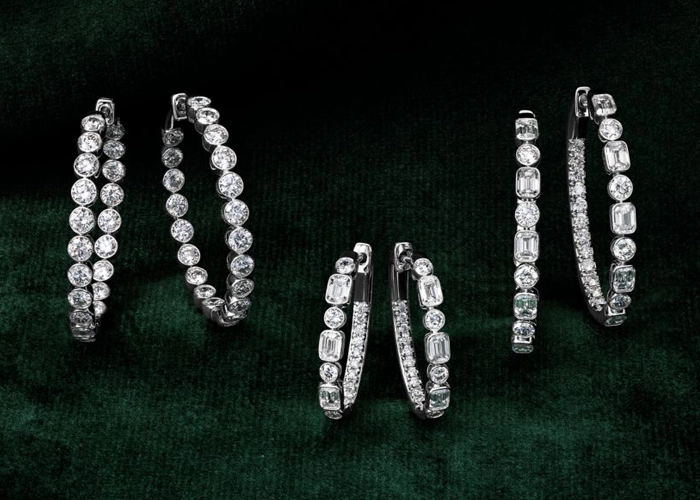
Jewelry is more than just an accessory. It reflects your personality, celebrates milestones, and often becomes a treasured keepsake passed down through generations. Whether you’re purchasing your first necklace, investing in a diamond ring, or expanding your collection with trendy fashion pieces, understanding the differences between jewelry materials can help you make smarter buying decisions.
The jewelry market offers countless options, from timeless gold and elegant pearls to affordable fashion jewelry designed for everyday style. Each type has unique characteristics, advantages, maintenance requirements, and price points. Choosing the right piece depends on your lifestyle, budget, personal taste, and intended use.
This comprehensive jewelry buying guide explains everything you need to know about gold, silver, diamonds, pearls, and fashion jewelry while providing practical maintenance advice and expert tips for selecting pieces you’ll enjoy for years.
Why Choosing the Right Jewelry Matters
A well-chosen jewelry piece enhances your appearance, complements your wardrobe, and often carries sentimental value. Unlike fast-changing fashion trends, quality jewelry can remain stylish for decades.
Before buying jewelry, consider:
- Your budget
- Daily lifestyle
- Skin sensitivity
- Preferred metal color
- Occasion
- Long-term value
- Maintenance requirements
Thinking about these factors beforehand helps prevent costly mistakes and ensures you’re satisfied with your purchase.
Understanding Gold Jewelry
Gold has remained one of the world’s most desired precious metals for centuries because of its beauty, durability, and lasting value.
Types of Gold
Gold jewelry is available in several purity levels.
24K Gold
- 99.9% pure gold
- Bright yellow color
- Very soft
- Best for investment rather than everyday wear
22K Gold
- Around 91.6% gold
- Rich yellow appearance
- Popular in traditional jewelry
- Softer than lower karats
18K Gold
- 75% gold
- Excellent balance of purity and strength
- Popular for engagement rings and luxury jewelry
14K Gold
- 58.5% gold
- Durable
- Affordable
- Excellent for daily wear
10K Gold
- 41.7% gold
- Most durable
- Budget-friendly
- Less vibrant yellow color
Gold Colors
Modern jewelry includes several gold shades.
Yellow Gold
The classic choice with timeless appeal.
White Gold
Mixed with white metals and coated with rhodium for a bright silver appearance.
Rose Gold
Contains copper, creating a warm pink hue that has become increasingly popular.
Pros of Gold Jewelry
- High resale value
- Doesn’t rust
- Long lifespan
- Elegant appearance
- Suitable for heirloom pieces
Cons
- Higher price
- Softer at higher purity
- White gold requires occasional rhodium replating
Understanding Silver Jewelry
Silver is one of the most popular choices for affordable fine jewelry.
Sterling Silver
Most jewelry uses sterling silver, which contains:
- 92.5% silver
- 7.5% other metals (usually copper)
Look for the “925” stamp to verify authenticity.
Fine Silver
Contains 99.9% silver but is softer and less suitable for everyday jewelry.
Advantages
- Affordable
- Bright, elegant appearance
- Easy to polish
- Versatile for casual and formal outfits
Disadvantages
- Tarnishes over time
- Requires regular cleaning
- Softer than some other metals
Silver is perfect for buyers seeking quality jewelry without paying premium prices.
Diamond Jewelry Explained
Diamonds remain the most popular gemstone for engagement rings, anniversary gifts, and luxury jewelry.
Understanding the Four Cs
Professional jewelers evaluate diamonds using four major factors.
Cut
Cut determines how brilliantly a diamond reflects light.
Excellent cut diamonds sparkle significantly more than poorly cut stones.
Color
Diamond color ranges from completely colorless to noticeable yellow or brown.
Colorless diamonds are generally more valuable.
Clarity
Clarity measures internal flaws called inclusions.
Most inclusions are invisible without magnification.
Carat
Carat measures weight rather than size.
Larger diamonds generally cost considerably more due to rarity.
Natural vs Lab-Grown Diamonds
Natural diamonds form underground over billions of years.
Lab-grown diamonds have identical physical and chemical properties but are created in controlled environments.
Lab-grown options often cost significantly less while offering similar beauty.
Pros
- Exceptional durability
- High brilliance
- Symbol of luxury
- Suitable for lifelong wear
Cons
- Expensive
- Requires certification
- Higher insurance costs for valuable pieces
Pearl Jewelry Guide
Pearls offer timeless sophistication and understated elegance.
Unlike gemstones mined from the earth, pearls develop naturally within oysters and mollusks.
Types of Pearls
Freshwater Pearls
- More affordable
- Wide variety of shapes
- Excellent everyday option
Akoya Pearls
- Classic round shape
- High luster
- Popular for necklaces
South Sea Pearls
- Large size
- Luxurious appearance
- Premium pricing
Tahitian Pearls
- Naturally dark colors
- Unique shades
- Exotic appeal
Advantages
- Classic style
- Soft elegance
- Suitable for formal occasions
- Timeless investment
Disadvantages
- Delicate surface
- Easily scratched
- Sensitive to chemicals
Fashion Jewelry
Fashion jewelry emphasizes style rather than precious materials.
These pieces often use:
- Stainless steel
- Brass
- Copper
- Alloy metals
- Glass stones
- Cubic zirconia
- Acrylic
- Resin
- Crystal
Fashion jewelry allows people to experiment with trends without making significant financial investments.
Benefits
- Budget-friendly
- Huge style variety
- Trend-focused
- Easy to replace
- Great for seasonal fashion
Drawbacks
- Lower durability
- Limited resale value
- May tarnish quickly
- Some metals may cause skin irritation
Gold vs Silver
Choosing between gold and silver depends on several factors.
| Feature | Gold | Silver |
| Price | Higher | Lower |
| Durability | Excellent | Good |
| Maintenance | Low | Moderate |
| Resale Value | High | Moderate |
| Everyday Wear | Excellent | Very Good |
| Tarnishing | No | Yes |
Gold suits buyers seeking long-term investment and durability.
Silver is ideal for affordability and versatility.
Diamond vs Pearl
Both offer elegance but serve different purposes.
Diamonds provide brilliance, sparkle, and unmatched hardness.
Pearls offer softness, sophistication, and classic beauty.
Diamonds work well for engagement rings and luxury pieces, while pearls excel in formal necklaces, earrings, and bridal jewelry.
Fine Jewelry vs Fashion Jewelry
Fine jewelry includes precious metals and genuine gemstones.
Fashion jewelry focuses on affordable styling using alternative materials.
Choose fine jewelry when:
- Celebrating major milestones
- Investing long-term
- Buying engagement jewelry
- Building a lasting collection
Choose fashion jewelry when:
- Following seasonal trends
- Trying new styles
- Shopping on a budget
- Buying statement accessories
How to Choose the Perfect Jewelry
Consider Your Lifestyle
People with active lifestyles should prioritize durability.
Gold, platinum, and diamonds handle daily wear better than pearls or delicate fashion jewelry.
Match Your Wardrobe
Think about the colors you wear most often.
Warm tones often complement yellow or rose gold.
Cool colors typically pair well with white gold and silver.
Think About Skin Sensitivity
Individuals with metal allergies should choose:
- High-quality gold
- Sterling silver
- Platinum
- Hypoallergenic stainless steel
Avoid inexpensive alloys if your skin reacts easily.
Choose Versatile Pieces
Classic jewelry offers better long-term value than trendy designs.
Essential pieces include:
- Stud earrings
- Simple pendant necklace
- Tennis bracelet
- Hoop earrings
- Thin gold chain
- Pearl necklace
- Diamond solitaire ring
These items match almost every outfit.
Set a Realistic Budget
Beautiful jewelry exists at every price level.
Instead of buying the largest or most expensive item, focus on quality craftsmanship and materials.
A smaller, well-made piece often outlasts larger, poorly manufactured alternatives.
How to Identify Quality Jewelry
When shopping, inspect jewelry carefully.
Look for:
- Secure clasps
- Smooth finishing
- Even gemstone settings
- Hallmarks
- Certifications
- Reputable retailers
- Warranty information
Avoid pieces with loose stones, rough edges, or visible manufacturing defects.
Jewelry Maintenance Tips
Proper care keeps jewelry looking beautiful for years.
Caring for Gold Jewelry
- Clean with warm water and mild soap.
- Use a soft toothbrush for detailed cleaning.
- Dry with a microfiber cloth.
- Store separately to prevent scratches.
Caring for Silver Jewelry
- Polish regularly with a silver cloth.
- Store in anti-tarnish pouches.
- Keep away from moisture.
- Remove before swimming.
Caring for Diamonds
- Clean regularly with warm water and gentle soap.
- Inspect prongs periodically.
- Avoid hard impacts.
- Have professional inspections annually.
Caring for Pearls
Pearls require extra attention.
- Wipe with a soft cloth after wearing.
- Keep away from perfume and hairspray.
- Store flat in soft fabric.
- Never soak pearls in harsh cleaning solutions.
Caring for Fashion Jewelry
- Avoid water exposure.
- Remove before exercising.
- Keep away from lotions and perfumes.
- Store in dry containers.
Jewelry Storage Tips
Proper storage extends the life of every jewelry collection.
Good storage habits include:
- Individual soft pouches
- Jewelry boxes with compartments
- Anti-tarnish strips
- Necklaces hung separately
- Rings stored individually
- Earrings paired together
Avoid throwing multiple pieces into one container where they can scratch each other.
Common Jewelry Buying Mistakes
Many buyers make avoidable errors.
Some of the most common include:
- Buying solely based on appearance
- Ignoring metal quality
- Overlooking certifications
- Choosing trends over personal style
- Forgetting maintenance costs
- Purchasing without comparing prices
- Wearing delicate jewelry during physical activities
Research before purchasing helps avoid disappointment.
Building a Versatile Jewelry Collection
Instead of buying many inexpensive pieces at once, gradually build a balanced collection.
A practical jewelry wardrobe may include:
- Gold everyday necklace
- Sterling silver bracelet
- Diamond stud earrings
- Pearl necklace
- Statement fashion earrings
- Classic watch
- Stackable rings
- Hoop earrings in different sizes
This combination works for work, casual outings, weddings, vacations, and formal events.
Should Jewelry Be Viewed as an Investment?
Certain jewelry can retain or increase its value over time.
Examples include:
- High-purity gold
- Certified natural diamonds
- Designer jewelry
- Rare gemstones
- Antique jewelry
However, most fashion jewelry is purchased for style rather than financial appreciation.
If investment is a primary goal, prioritize quality, certification, and recognized craftsmanship.
Frequently Asked Questions
Which jewelry is best for everyday wear?
Fourteen-karat gold, sterling silver, and diamond jewelry offer an excellent balance of durability, beauty, and comfort for daily use.
Does silver jewelry lose its shine?
Yes. Sterling silver naturally tarnishes over time, but regular cleaning and proper storage easily restore its original appearance.
Are lab-grown diamonds real?
Yes. Lab-grown diamonds have the same chemical, physical, and optical properties as natural diamonds. The primary difference lies in their origin.
Are pearls suitable for daily wear?
They can be worn regularly but require gentle handling because pearls are softer than most gemstones and can scratch easily.
How often should jewelry be professionally cleaned?
Fine jewelry worn frequently benefits from professional cleaning and inspection once or twice a year to maintain its appearance and ensure gemstone settings remain secure.
Final Thoughts
Buying jewelry is a personal experience that blends style, quality, and practicality. Gold offers timeless value, silver provides affordable elegance, diamonds deliver unmatched brilliance, pearls embody classic sophistication, and fashion jewelry allows endless creativity without a major investment.
The best jewelry is not necessarily the most expensive—it is the piece that fits your lifestyle, complements your personality, and brings lasting enjoyment. By understanding different materials, comparing their strengths, following proper maintenance practices, and purchasing from reputable sources, you can build a jewelry collection that remains beautiful, meaningful, and wearable for many years. Whether you’re selecting your first everyday necklace or investing in a special heirloom, informed choices ensure every piece becomes a worthwhile addition to your collection.